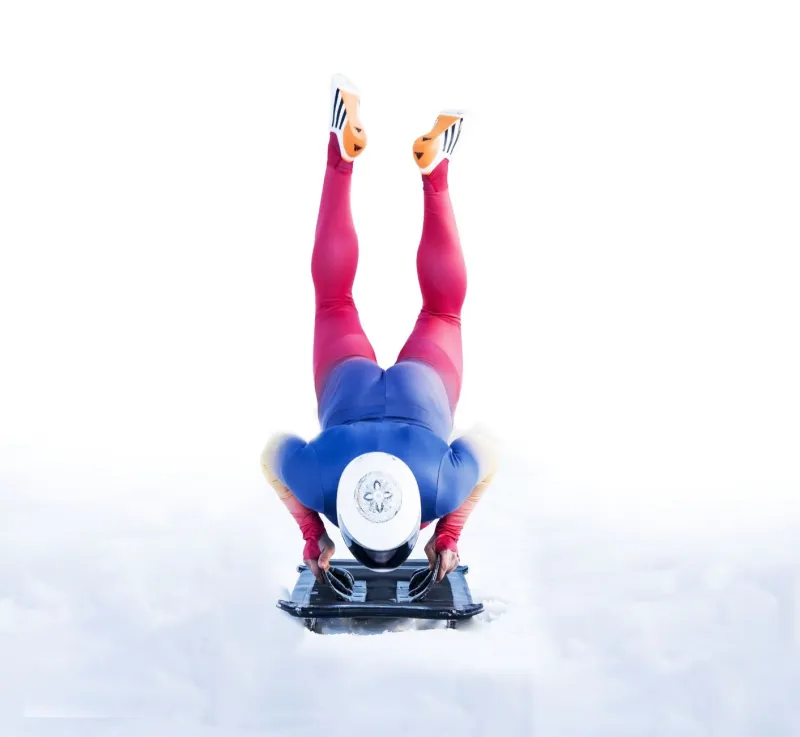
You're Losing Before the Gun Goes Off: The Aerodynamic Mistakes Costing Amateur Athletes Precious Seconds
You've been logging the miles. You've dialed in your nutrition. You even splurged on a new pair of shoes that cost more than your first car payment. And yet, race day comes and goes, and the clock doesn't lie — you're still finishing behind people who, by all appearances, shouldn't be faster than you.
Here's the uncomfortable truth nobody at your local running club wants to say out loud: you might be losing to the air itself.
Aerodynamic drag is one of the most consequential forces acting on any moving athlete, and it's also one of the least understood outside professional sports. Elite competitors have entire support teams dedicated to shaving milliseconds through gear optimization, body positioning analysis, and wind tunnel testing. The rest of us? We're mostly guessing — and paying for it in the standings.
What Drag Actually Does to Your Performance
At its core, aerodynamic drag is the resistance force your body encounters as it moves through air. It doesn't sound that dramatic until you realize that at typical running speeds — say, around 10 miles per hour for a solid recreational runner — drag can account for somewhere between 2% and 8% of your total energy expenditure. Push that into cycling territory, where speeds of 20+ mph are common, and suddenly drag is consuming anywhere from 70% to 90% of the energy you're burning just to maintain pace.
That's not a rounding error. That's the ballgame.
For elite athletes, every percentage point matters, which is why professional cycling teams spend millions on aerodynamic testing. For amateur athletes, the math is actually more punishing in a practical sense — because the gains are right there, sitting unclaimed, and nobody's told you how to grab them.
The Gear Problem Nobody Talks About
Walk into any big-box sporting goods store or scroll through Amazon's cycling section, and you'll find a dizzying range of options. Jerseys, helmets, shorts, shoes — all of it marketed with vague promises about performance. But here's what most product descriptions won't tell you: fit matters more than brand, and loose fabric is the enemy.
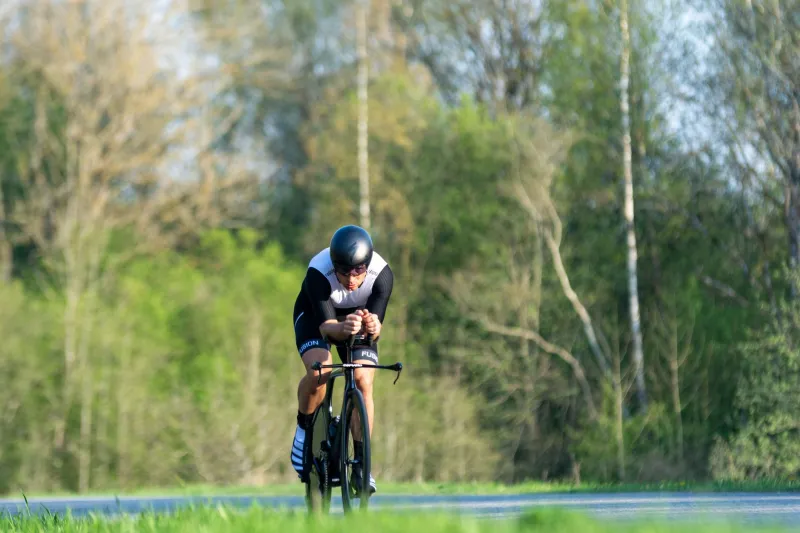
Studies on cycling aerodynamics have consistently shown that a baggy jersey can add the aerodynamic equivalent of riding with a small parachute strapped to your back. We're talking drag penalties significant enough to cost a rider 30 to 60 seconds over a 40-kilometer time trial — not because their fitness was lacking, but because their jersey was flapping in the wind.
The same principle applies to runners. Oversized shorts, loose-fitting shirts, even the way a race bib is pinned to your chest can create turbulence that your body has to work against with every stride. It sounds almost absurdly simple, but the fix is equally simple: wear close-fitting, technical fabric that moves with your body rather than against the air.
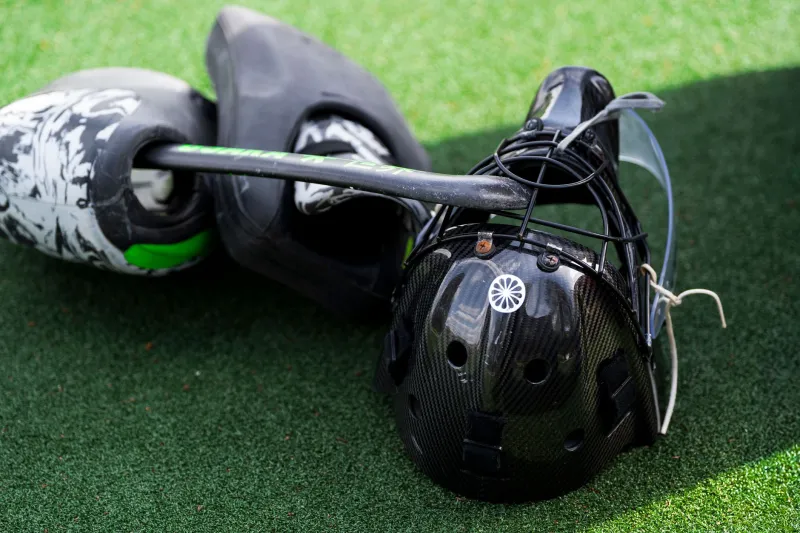
Helmets are another area where amateur cyclists routinely leave time on the course. A basic recreational helmet, while perfectly safe, can generate significantly more drag than an aerodynamic road helmet — let alone a time trial-specific aero lid. You don't need to spend $400 on a pro-level helmet to see improvement. Mid-range aero helmets in the $80–$150 range offer real, measurable drag reductions that are well within reach for most serious amateurs.
Body Position: The Free Speed You're Ignoring
Here's the part that should genuinely frustrate you, because it costs nothing to fix: your body position might be your single biggest aerodynamic liability, and you've probably never had anyone analyze it.
In cycling, the difference between an upright recreational riding position and a proper aggressive road position can reduce your frontal area — the surface area your body presents to oncoming air — by a significant margin. Some estimates suggest that simply lowering your torso and tucking your elbows can reduce drag by 20% or more. That's free speed. No new gear required.
For runners, the calculus is slightly different but equally real. Forward lean, arm carriage, and even head position all influence how efficiently your body cuts through air. Running with your arms swinging wide across your body, for instance, increases your effective frontal profile and disrupts the natural airflow around your torso. Keeping your arms close, your elbows bent at roughly 90 degrees, and your hands relaxed isn't just about running economy — it's basic aerodynamics.
The frustrating part? Most amateur athletes never receive any coaching on this. You can train for years and have a perfectly optimized VO2 max while simultaneously hemorrhaging seconds every mile because nobody ever told you to tuck your chin.
Drafting: The Cheat Code You're Probably Not Using
In cycling and, to a lesser extent, running, drafting — positioning yourself directly behind another competitor to exploit the low-pressure zone they create — is one of the most powerful free tools available. Professional pelotons are essentially organized drag-reduction machines, with riders sharing the workload and conserving energy by cycling through the lead position.
Amateur cyclists in group rides or mass-start events often draft instinctively, but few truly understand why it works or how to maximize the benefit. Research has shown that a cyclist drafting closely behind a lead rider can reduce their aerodynamic drag by up to 40%. In running, the effect is smaller but still meaningful — particularly in longer events where energy conservation compounds over miles.
If you're doing charity 5Ks or local criteriums and you're not thinking strategically about positioning relative to other competitors, you're missing one of the most accessible performance tools in the sport.
Practical Takeaways That Won't Empty Your Wallet
You don't need a wind tunnel or a biomechanics coach to start making aerodynamic improvements. Here's where to start:
- Audit your kit. If your jersey or running shirt has any visible flutter when you're moving, it's costing you. Fit should be snug without restricting movement.
- Check your helmet. If you're a cyclist still riding a mountain bike helmet on road events, an upgrade to even a basic aero road helmet is one of the highest-ROI purchases you can make.
- Film yourself. Set up your phone on a tripod and record yourself running or riding from the side. What you see might surprise you — and it's free coaching.
- Practice your tuck. On flat sections during training rides, experiment with lowering your torso and bringing your elbows in. Get comfortable with a more aerodynamic position before you need it in a race.
- Draft deliberately. In legal race situations, think about where you are in the pack. Position is strategy.
The aerodynamic disadvantages facing amateur athletes are real — but they're also largely fixable. The science isn't locked behind a paywall or a professional contract. It's physics, and physics doesn't care what category you're racing in.
You've already put in the work. Now let the air work with you instead of against you.