Rest Is a Weapon: Inside the Recovery Tech Arms Race Transforming American Sports
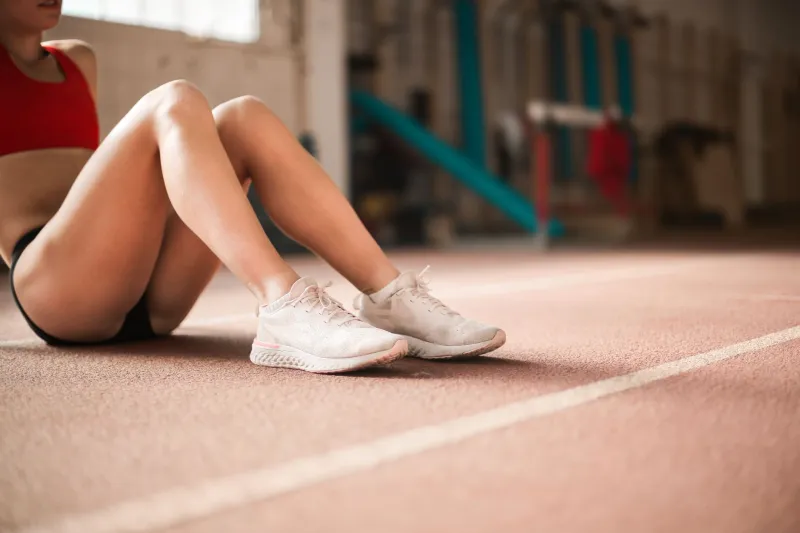
For most of sports history, recovery was the boring part. You finished the game, the race, or the workout, and then you went home, maybe iced something, maybe slept. The real action happened during training, during competition — not in the hours in between.
That thinking is officially obsolete.
Across professional sports in America and increasingly at the elite amateur level, recovery has become its own competitive arena. Teams and individual athletes are investing serious money and serious science into what happens after the final whistle or the finish line tape. And leading that charge is a category of technology that, not long ago, would have sounded more like science fiction than sports medicine: aerodynamic and airflow-based recovery systems.
The question isn't whether this tech works. The evidence is mounting that it does. The real question is how fast it trickles down — and whether athletes who aren't using it are already falling behind.
The New Definition of Recovery
Let's be clear about what we're talking about, because "recovery technology" is a term that gets thrown around loosely. We're not talking about foam rollers and ice baths, though those still have their place. The cutting edge of recovery science in 2024 involves precision-engineered tools that interact with the body's circulatory, respiratory, and musculoskeletal systems in ways that traditional methods simply can't replicate.
Compression garments have been around for decades, but the latest generation is something else entirely. Modern aerodynamic compression gear — designed with graduated pressure mapping and fabric architectures borrowed from aerospace engineering — doesn't just squeeze tired muscles. It actively optimizes venous return, accelerating the removal of metabolic waste products like lactate while simultaneously improving localized blood flow. The difference between a $30 drugstore compression sleeve and a performance-grade recovery garment is roughly the difference between a screen door and a wind tunnel.
NBA teams have been early adopters. Multiple franchises now outfit players with full-leg compression recovery systems during flights between away games — an environment where cabin pressure and prolonged sitting can significantly impair circulatory recovery after a game. What used to be dead travel time is now a recovery window.
Breathing Like a Champion
One of the more surprising frontiers in recovery science involves something every athlete does automatically and most do badly: breathing.
Wind-optimized breathing techniques — sometimes called structured respiratory training — are gaining traction in endurance sports circles as a legitimate recovery accelerant. The concept draws on fluid dynamics principles: airflow through the respiratory system follows the same basic physics as airflow around a moving object. Turbulence is inefficient. Laminar, controlled flow is optimal.
Athletes trained in structured respiratory protocols during recovery periods show measurable differences in heart rate variability recovery, oxygen saturation normalization, and subjective fatigue ratings compared to those who simply breathe normally. Some elite cycling teams have integrated respiratory muscle training devices — which create calibrated resistance to strengthen the muscles involved in breathing — into their post-race recovery protocols.
For context, consider that the diaphragm and accessory breathing muscles can account for up to 15% of cardiac output during maximal exercise. Recovering those muscles efficiently isn't a minor detail — it's a significant piece of the overall recovery puzzle.
The Compression Garment Leaderboard
Not all compression recovery tech is created equal, and the market has stratified considerably as sports science has advanced. Here's a rough breakdown of where different categories of athletes currently stand:
Professional level: Full pneumatic compression systems (think NormaTec-style sequential compression boots), sport-specific garments with pressure mapping tailored to position or event demands, and integrated biometric monitoring that adjusts compression in real time based on physiological data. This is the standard for NFL, NBA, and elite endurance programs.
Serious amateur and college level: Graduated compression tights and sleeves from performance brands, basic pneumatic compression boots (now available at consumer price points), and recovery-specific apparel designed for post-workout use. Adoption is growing but inconsistent — many college programs still treat this as optional rather than standard.
Weekend warrior level: Mostly consumer compression products of variable quality, with little to no education about how or when to use them effectively. The gear exists and is affordable; the knowledge gap is the real barrier.
The trajectory here is clear. Technologies that were exclusive to professional sports medicine departments a decade ago are now accessible to serious amateur athletes. The adoption curve just needs to catch up.
Wind Rooms and Controlled Environment Recovery
Perhaps the most intriguing — and still largely experimental — frontier in aerodynamic recovery involves controlled airflow environments. Cryotherapy chambers got a lot of press over the past decade, but a newer concept involves controlled-temperature, controlled-airflow recovery rooms that use precisely managed wind speed and temperature combinations to accelerate surface cooling and circulatory response after intense exercise.
A handful of elite training facilities in the US, particularly those serving Olympic development programs, have begun integrating these systems. The principle is straightforward: the body loses heat far more efficiently through convection (moving air) than through conduction (static contact with cold surfaces). A controlled airflow recovery environment can achieve the physiological benefits of ice bath exposure with greater comfort, better repeatability, and more precise dosing.
Whether this technology becomes mainstream depends largely on cost and footprint — these aren't systems you're going to install in a college locker room anytime soon. But as a proof of concept for the direction recovery science is heading, they're significant.
Does It Actually Move the Needle?
Here's the honest answer: yes, but context matters enormously.
For athletes competing at the highest levels — where the margin between a podium finish and fourth place might be fractions of a percent — optimized recovery technology provides a meaningful edge. Multiple peer-reviewed studies have documented the performance benefits of graduated compression on next-day power output, sprint recovery time, and perceived soreness ratings.
For recreational athletes, the benefits are real but less dramatic, largely because the baseline recovery deficit is smaller and the competitive stakes are lower. That said, for anyone training more than four or five days per week or competing in events with back-to-back rounds or stages, the math starts to favor investment in quality recovery tools.
The more interesting question is whether recovery tech will become a baseline expectation — the way proper training shoes or sport-specific nutrition have — rather than a differentiator. Given the trajectory of adoption across American sports, that moment seems closer than most people realize.
The Bottom Line
The best athletes in America aren't just training smarter. They're recovering smarter, and the tools they're using are increasingly sophisticated, aerodynamically informed, and demonstrably effective.
The recovery revolution isn't coming. It's already here — it's just unevenly distributed. The athletes and programs that recognize recovery as a competitive discipline rather than an afterthought are building advantages that compound over a season, a career, a lifetime of competition.
Rest, it turns out, is a weapon. And like any weapon, it's most effective in the hands of those who understand how to use it.