Cleat Confusion: The Hard Truth About Premium Youth Sports Gear and What the Science Actually Says
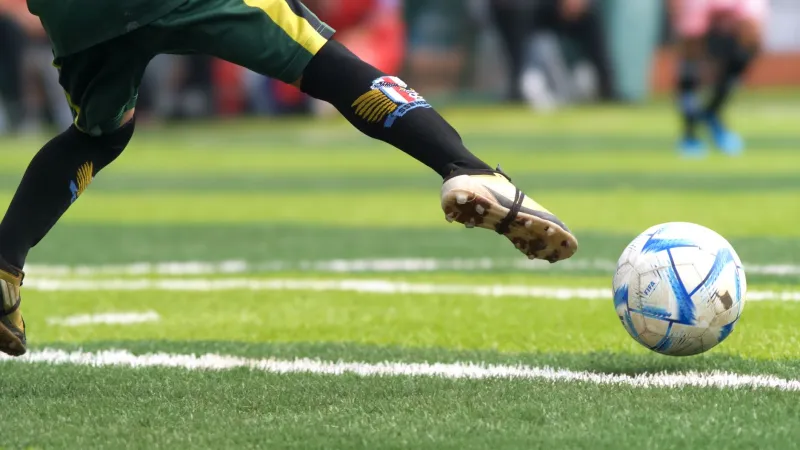
Walk into any Dick's Sporting Goods on a Saturday morning in August and you'll see it: parents standing in the cleat aisle, smartphones out, comparing carbon fiber plates and "aerodynamically optimized" outsole geometries on shoes that will be outgrown in four months. The price tags run from $40 to north of $350. The marketing language is indistinguishable from what you'd read on gear worn by players in the NFL or the Champions League.
The question nobody on the sales floor is asking — but absolutely should be — is whether any of that matters for a 12-year-old playing rec-league soccer on a municipal field in Ohio.
Spoiler: the answer is complicated, and the equipment industry is counting on you not to dig into it.
How the Marketing Machine Borrows Elite Credibility
The playbook is well-established. A manufacturer develops a technology platform — let's say a carbon fiber energy return plate or a knit upper with reduced aerodynamic surface disruption — tests it on elite adult athletes under controlled conditions, and publishes proprietary performance data showing measurable gains. Then that same technology, or a diluted version of it, gets marketed down through youth lines with the same language and a slightly lower price point.
The problem is that the original performance data almost never applies to the youth market. Sports equipment engineer Carlos Vega, who has worked on footwear development for two major brands and now consults independently, is direct about this.
"Performance gains in elite footwear are real, but they're optimized for a very specific athletic profile," Vega says. "We're talking about a 180-pound adult male with a mature running gait, a developed neuromuscular system, and thousands of hours of sport-specific movement patterns. Take that same shoe and put it on a 95-pound 11-year-old whose gait is still developing, and the engineering assumptions don't hold. You might actually be creating instability."
That instability point is worth sitting with. Several sports medicine physicians have raised concerns that stiff, highly specialized footwear — designed to optimize force transfer in adult athletes — can interfere with proprioceptive development in young athletes whose bodies are still learning how to move.
The Aerodynamic Language Problem
One of the more frustrating trends in youth sports marketing is the liberal use of aerodynamic performance language that is, at best, aspirational and, at worst, functionally meaningless for the context.
Terms like "low-drag profile," "wind-channeling vents," and "streamlined silhouette" appear on everything from youth soccer cleats to baseball batting helmets to lacrosse gloves. Some of these claims have real engineering behind them at the elite level — helmet aerodynamics genuinely matter for cyclists and speed skaters moving at high velocities. But for a youth baseball player swinging at 45 mph? The aerodynamic drag on their helmet is not the variable limiting their performance.
"The physics just doesn't scale the same way," explains Dr. Priya Nair, a biomechanical engineer who has published research on sports equipment performance. "Aerodynamic drag forces scale with the square of velocity. At the speeds youth athletes are moving, the drag differential between a 'performance' helmet and a standard one is so small it's completely swamped by other variables — technique, strength, coordination. You'd need to eliminate all of those other factors to even measure it."
In other words: your kid's batting average isn't suffering because their helmet isn't aerodynamically optimized.
Where Premium Actually Pays Off (And Where It Doesn't)
This isn't an argument that all premium youth gear is a scam. The picture is more nuanced, and getting it right can save families real money while still investing wisely.
Where spending more makes sense:
Protective equipment. This is the one category where premium is genuinely justified and the research supports it clearly. Higher-end helmets — particularly in football, hockey, and baseball — offer meaningfully better impact protection. The Virginia Tech helmet ratings program has shown consistent, measurable differences in concussion risk reduction between budget and premium football helmets. This is not the place to save $80.
Footwear fit and support for high-volume training. If your athlete is training five or six days a week at a competitive level, shoe quality matters — not because of aerodynamic optimization, but because of injury prevention. A well-constructed shoe with appropriate support for the sport reduces overuse injury risk. That's real value. But you don't need the $320 pro model to get it. The $95 version from the same brand often uses identical construction with fewer cosmetic features.
Sport-specific traction in cleats. Cleat pattern and material do affect traction and cutting efficiency on specific surfaces. A molded cleat designed for firm natural grass performs differently than a turf shoe on artificial surfaces. Getting this right matters. Getting the most expensive version of the right shoe usually doesn't.
Where you're mostly paying for marketing:
Carbon fiber plates in youth cleats. The energy return benefits of carbon fiber plates have been validated in adult distance running research. In youth field sports, where movements are multidirectional and explosive rather than linear and sustained, the benefit essentially disappears. You're paying a $150 premium for a feature that the biomechanics don't support at that age.
Premium bat and racquet technology below competitive elite level. Unless your young athlete is playing at a serious travel or select level and has the technique to actually utilize equipment-driven performance differences, the bat's carbon layup schedule is not what's limiting their hitting.
Compression and aerodynamic apparel for youth. The performance compression and aerodynamic apparel market is booming in youth sports. For adults competing at high intensities, compression gear has modest, real benefits for circulation and perceived exertion. For kids in recreational leagues? Save the money.
What the Lab Data Shows vs. What the Box Claims
Vega describes a common pattern in equipment testing that parents would find eye-opening. "Brands will test a product under ideal conditions — controlled environment, elite athlete, specific movement — and get a real result. Maybe a 1.5 percent improvement in some metric. Then that becomes '1.5% performance gain' on the box, with no context about who it was tested on, under what conditions, or whether it applies to the buyer."
A 1.5 percent performance gain sounds significant. For a professional athlete competing at the margins, it genuinely can be. For a 13-year-old still working on their first-step quickness, it is statistically invisible against the noise of their normal performance variability on any given day.
A Practical Framework for Sports Parents
Before the next equipment cycle, run this quick mental checklist:
- Is this protective gear? If yes, buy the best you can reasonably afford and check independent safety ratings.
- Is this footwear for high-frequency training? Prioritize fit, sport-specific construction, and appropriate support. Ignore the premium tech marketing.
- Is this apparel or an accessory? Unless your athlete is genuinely competing at an elite level where marginal gains are the actual conversation, buy for comfort, durability, and fit.
- Is the performance claim verified by independent research? Manufacturer data is a starting point, not a conclusion.
The Bottom Line
The youth sports equipment market is sophisticated, well-funded, and very good at making parents feel like they're doing right by their kids by spending more. Some of that spending is genuinely worthwhile. A lot of it isn't.
The real performance gains for young athletes are still sitting in the unglamorous places: consistent coaching, deliberate practice, adequate recovery, and the kind of sport-specific skill development that no cleat on the market can shortcut. That's not a satisfying answer for a Saturday morning at Dick's, but it's what the data actually says.
Aerodynamics is real. Equipment science is real. But neither of them is doing much for your kid if the fundamentals aren't there first.