Why Feeling Warm Isn't the Same as Being Ready: The Summer Warm-Up Problem Hurting Outdoor Athletes

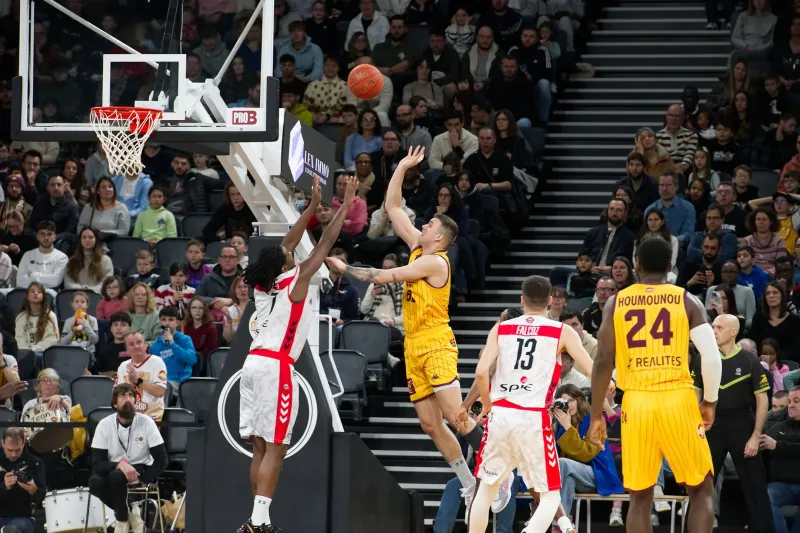
It's 91 degrees in Phoenix. You've been outside for twenty minutes doing your pre-game routine, and you feel great — loose, warm, ready. Then the game starts and your legs feel heavy by the third quarter. Your first step is slower than it was in the spring. You're sucking wind earlier than expected.
You weren't under-prepared. You might have been mis-prepared.
The relationship between heat, warm-ups, and actual athletic output is one of the more misunderstood dynamics in summer sports. And for athletes competing in outdoor leagues, summer training camps, or championship events during the hottest months of the year, getting this wrong has real consequences.
The Temperature Gradient Problem
Traditional warm-up science is built around a core principle: elevating muscle temperature improves contraction speed, reduces injury risk, and enhances oxygen delivery. That principle is sound. The problem is that it was largely developed in controlled or cool environments — indoor facilities, temperate climates, early-season conditions.
In summer heat, the gradient between your resting body temperature and your optimal performance temperature is already compressed before you start moving. Your core might already be sitting at 99 degrees just from standing in the sun. Your skin temperature is elevated. You feel warm because you are warm.
But warmth and readiness aren't synonyms. The specific adaptations your body needs — increased blood flow to working muscles, synovial fluid mobilization in joints, neuromuscular activation — still require deliberate stimulus. Heat alone doesn't trigger them. It just makes the process feel like it's happening faster than it actually is.
What the Research Says About Hot-Weather Warm-Ups
Sports science research on heat and performance paints a nuanced picture. Studies on athletes competing in high-temperature environments consistently show that passive heat exposure (just being in the heat) elevates perceived exertion without producing the same physiological readiness as active warm-up protocols.
One key mechanism is oxygen utilization efficiency. In cooler conditions, a proper warm-up incrementally shifts your body toward aerobic metabolism, preparing your cardiovascular system to deliver oxygen at the rate competition demands. In hot conditions, your cardiovascular system is already partially stressed — it's managing thermoregulation, shunting blood toward the skin to cool you down — which means the aerobic preparation process gets disrupted before you even take the field.
The result is that athletes in summer conditions often hit intensity too quickly relative to their actual metabolic readiness, even when they feel physically loose. That's a recipe for early-onset fatigue and degraded output in the back half of competition.
The Aerodynamic Dimension: Sweat, Drag, and Body Position
Here's an angle most athletes haven't considered: heat affects your aerodynamic profile during competition.
As core temperature rises, your body's natural response is to alter posture subtly — shoulders tend to rise, breathing becomes shallower and more frequent, and athletes unconsciously reduce their forward lean to open the chest. All of these are thermoregulatory responses. And all of them change your body's interaction with air resistance during high-speed movement.
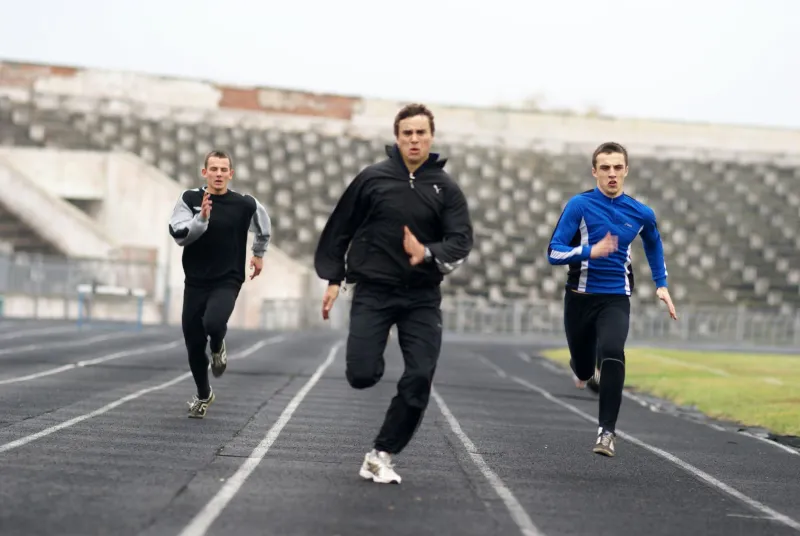
A sprinter who runs with a slightly more upright posture due to heat-related respiratory stress presents more frontal area to the air. A soccer midfielder who's already fighting dehydration-related fatigue by the 60th minute will carry their arms wider and their torso higher — both of which increase drag. Over a full game or race, these micro-changes compound.
The athletes who manage summer heat best tend to be the ones who've trained their warm-up protocol specifically for hot conditions — not just copied their indoor routine outdoors.
What's Going Wrong at Summer Leagues and Training Camps
Talk to any trainer running a summer league program or an outdoor training camp and you'll hear variations of the same observation: athletes seem flat in the first quarter or first set, then either find their rhythm or don't.
That flatness has a physiological explanation. Many athletes shorten their warm-ups in the heat because they feel like they don't need them. Others do their full routine but skip the high-intensity activation work because the ambient temperature makes it feel like overkill. Both errors leave the neuromuscular system under-activated going into competition.
There's also a hydration timing issue layered on top of this. Athletes who are already slightly dehydrated at the start of their warm-up — common in summer conditions — are entering competition with reduced plasma volume, which limits the cardiovascular system's ability to deliver oxygen and remove metabolic waste. Feeling warm masks this deficit until it hits hard mid-competition.
A Smarter Summer Warm-Up Framework
Rethinking your pre-competition routine for summer conditions doesn't mean doing more — it means doing it differently.
Shift your warm-up indoors when possible. If you have access to an air-conditioned facility, doing even part of your warm-up in a cooler environment helps manage the thermal load before you step into the heat. This is standard practice for elite track athletes competing in outdoor summer championships — they warm up in the tunnel or under cover and time their transition to the track deliberately.
Prioritize neuromuscular activation over passive stretching. In the heat, your muscles are already pliable. What they need is activation — short, sharp movements that wake up the fast-twitch fibers you'll need at competition intensity. Skipping straight to light jogging and static stretches leaves those fibers dormant.
Build in a short cool-down between your warm-up and competition start. This sounds counterintuitive, but a brief period in the shade or with a cooling towel after your warm-up can reduce core temperature slightly without losing muscle readiness. Research on pre-cooling strategies for hot-weather athletes supports this approach.
Hydrate before you feel thirsty. By the time thirst kicks in during a warm-up in summer heat, you're already behind. Front-loading hydration 45-60 minutes before competition and sipping consistently during warm-up keeps plasma volume where it needs to be.
The Takeaway for Summer Athletes
Summer heat is a performance variable, not just a comfort issue. The athletes who treat it that way — adjusting their warm-up timing, structure, and environment to account for what heat actually does to physiology — tend to be the ones who hold their performance level through the back half of competition when everyone else is fading.
Feeling warm is a starting point. Being ready is something you have to build deliberately, even on the hottest days of the year.