Turn Down the Noise: How Sound Is Secretly Wrecking Your Reaction Time
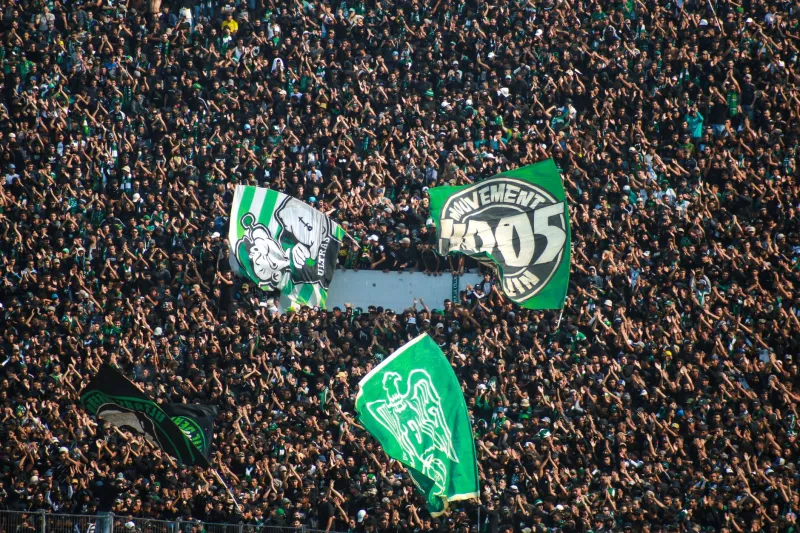
You've seen it a thousand times. A wide receiver lines up in a hostile stadium, the crowd roars, and the play falls apart before it even starts. False start. Delay of game. Blown assignment. We chalk it up to nerves or inexperience. But there's something more specific happening — something measurable and mechanical. Sound isn't just background atmosphere in sports. In certain conditions, it's actively degrading athlete performance by interfering with one of the most fundamental athletic skills: reaction time.
What Reaction Time Actually Is
Let's get the basics straight. Reaction time is the gap between a stimulus — a starter's gun, a pitcher's release, a defender's movement — and the beginning of your physical response. It sounds simple, but it involves a chain of neurological events: sensory detection, signal transmission to the brain, decision processing, motor command generation, and finally muscular response. Each link in that chain takes time, and each one can be disrupted.
The average simple reaction time for a trained athlete is somewhere around 150 to 200 milliseconds. Elite athletes can push that down further. But here's the critical part: that number is highly sensitive to environmental conditions. Fatigue, stress, temperature, hydration — and yes, sound — all influence how fast that chain fires.
The Crowd Noise Problem
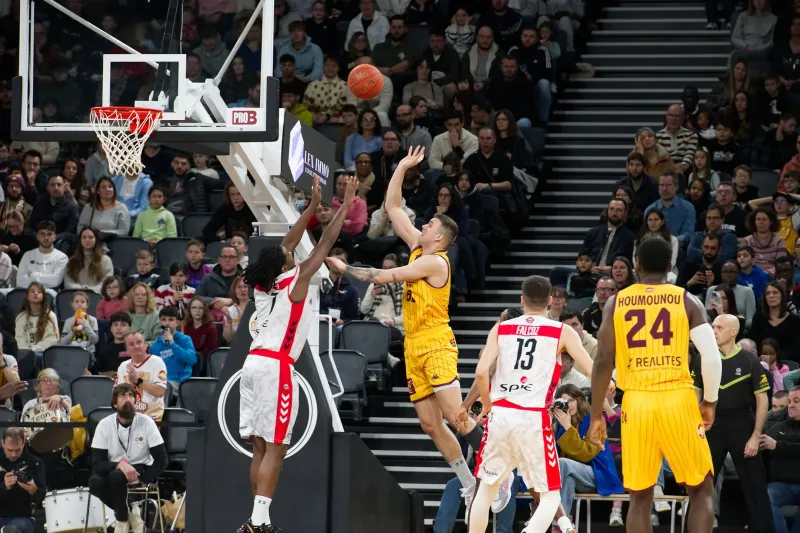
Large, loud crowds generate sound pressure levels that can exceed 100 decibels in enclosed stadiums. For reference, that's roughly equivalent to standing next to a running chainsaw. At those levels, auditory processing becomes measurably impaired. The brain struggles to filter signal from noise, which creates what researchers call "attentional overload."
When your auditory system is overwhelmed, your brain allocates more processing resources to managing that sensory input — resources that would otherwise be available for rapid decision-making and motor response. The result is a measurable increase in reaction time, even in experienced athletes. Studies have shown reaction time degradation of 20 to 40 milliseconds under high-noise conditions. In a sport where a 50-millisecond edge determines who gets to the ball first, that's enormous.
This is part of why home-field advantage is real and quantifiable. Visiting teams aren't just psychologically rattled by hostile crowds. They're operating with slightly slower neural processing in an environment optimized to create auditory chaos.
The False Start Phenomenon
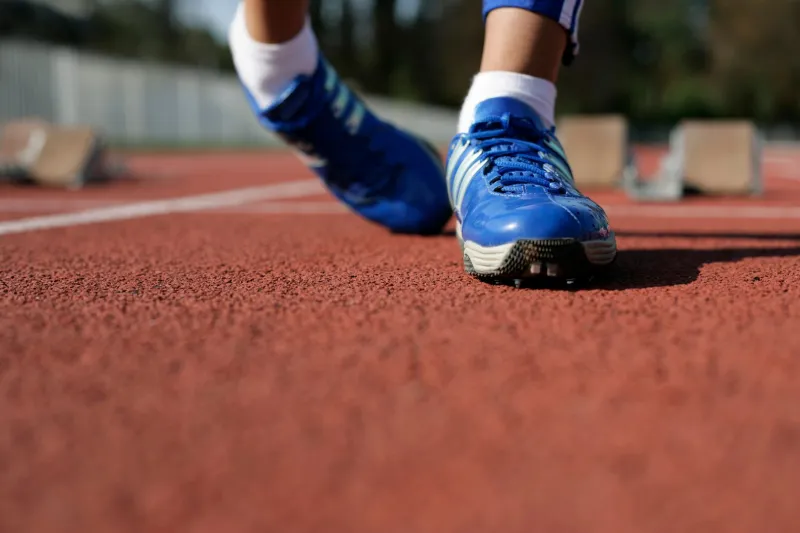
Here's a counterintuitive twist. Loud noise doesn't always slow athletes down — sometimes it speeds them up in the worst possible way. Sudden, sharp sounds can trigger a startle response, which is a primitive, hardwired neurological reflex that bypasses normal cognitive processing. In a sprint race, a loud sound from the crowd at the wrong moment can cause a sprinter to leave the blocks before the gun even fires. False starts under noisy conditions aren't always errors in focus — they're sometimes startle reflexes that the athlete couldn't consciously override.
The International Association of Athletics Federations has actually studied the relationship between crowd noise and false starts at major championships. The data suggests false start rates are meaningfully higher in louder venues. That's not a coincidence — it's neuroscience.
Your Playlist Might Be Part of the Problem
Okay, this one stings a little. Pre-game music is practically a sacred ritual in American sports culture. From locker room speakers to personal headphones on the warm-up track, athletes use music as a motivational tool. And the research on music and performance is genuinely positive — the right music improves mood, reduces perceived exertion, and can enhance power output.
But there's a timing issue. If you're listening to high-BPM, high-intensity music right up until game time, you may be arriving at the moment of competition in a state of auditory overstimulation. Your nervous system is already processing intense sensory input. Transitioning immediately into a high-noise competitive environment stacks those inputs, potentially increasing cognitive load exactly when you need clean, fast processing.
Some sports psychologists now recommend a "sonic taper" — gradually reducing music intensity and volume in the final 10 to 15 minutes before competition, allowing the auditory system to recalibrate. It's the acoustic equivalent of a warm-down, and the early evidence suggests it's worth trying.
Position-Specific Noise Vulnerability
Not every athlete is equally affected by crowd noise. Reaction-time-dependent positions — defensive backs, middle infielders, hockey goalies, tennis returners — are far more vulnerable to auditory interference than positions that rely more on initiated movement patterns. A linebacker reading a play and reacting to movement is operating in a reactive mode where auditory overload hits harder. A fullback running a predetermined blocking route is less dependent on split-second sensory processing.
This is why position-specific noise training is starting to appear at the college and pro level. Defensive backs practicing in artificially amplified noise environments aren't just getting used to the distraction — they're training their auditory filtering systems to be more selective under pressure. It's a real, trainable skill.
What Athletes Can Actually Do
The good news is that auditory interference on reaction time is addressable. Here's what the science supports:
Train in noise. Practice in environments that approximate competition noise levels when possible. Your brain will adapt its filtering over time. If you always train in quiet, you're not preparing for the real sensory environment of competition.
Use the sonic taper. Reduce music intensity in the final stretch of your pre-game routine. Give your auditory system a chance to settle before you need it to perform.
Develop visual cue reliance. In noisy environments, athletes who anchor their reactions to visual cues rather than auditory ones tend to perform more consistently. Train yourself to read movement patterns and visual triggers, not just sounds.
Breathe deliberately. Controlled breathing in the moments before a reactive movement reduces overall nervous system arousal, which can partially offset the overstimulation effect of crowd noise.
The Bigger Picture
Sound is a performance variable that most athletes and coaches treat as ambient — something that just exists around the game rather than affecting it. But the data says otherwise. Auditory conditions shape reaction time, influence decision speed, and can even trigger involuntary physical responses that derail a performance before it starts.
The fastest athletes aren't just physically gifted. They've learned — consciously or not — to operate their nervous systems efficiently in chaotic sensory environments. Understanding the noise problem is the first step toward solving it.